What Are the Leading Manufacturers of Underground LHDs?
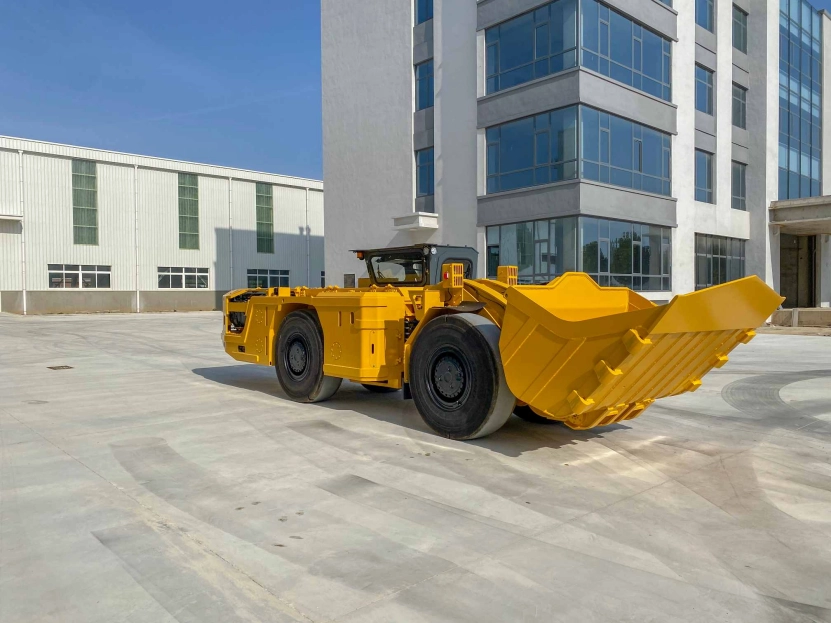
The underground mining field depends on special machines. These tools work well and stay safe in tight, rough spots. Load-Haul-Dump (LHD) loaders are key tools for moving ore. Top makers like Epiroc, Caterpillar, and China’s Qixia Dali Mining Machinery have led this area. They focus on new ideas, strong builds, and fitting different mining setups.
What Is an Underground LHD
A Load-Haul-Dump (LHD) is a small, strong underground mining loader. It picks up broken rock or ore. Then it carries it through tunnels. Finally, it drops it at set spots. Its flat shape lets it work in slim paths. Standard loaders cannot fit there. The LHD helps build many mines, tunnels, and water projects. It mixes scooping, moving, and unloading in one. This mix makes it faster than old loaders or trucks. Those handle just one part of moving stuff.
The Role of LHDs in Modern Mining
LHDs drive output deep underground. They cut down on workers facing danger spots. This happens by letting remote or half-auto control. Besides better safety, they speed up work rounds. They also lower costs per ton shifted.?These tools serve metal mines. Think gold, copper, zinc, and nickel sites. There, ore comes from below ground.?Picking a solid maker sets machine work and long-run steadiness. Weak loaders cause many stops and lost time—things no new mine can take.
Key Factors When Evaluating Underground LHD Manufacturers
Comparing underground LHD suppliers means looking at tech and service sides. These shape choices.
Quality and Durability Standards
Mining spots are tough—wet air, rough rock, and nonstop work call for tough setups. Strong steel frames, beefed-up arms, and solid axles last long. Makers often run tough tests. These copy years of use to promise steady work in hard spots.
Innovation and Technology Integration
Auto features mark new underground mining gear. Remote control lets workers run machines from safe areas. They keep exact moves in load rounds. After 20 years of study and trials, our gear grew big and smart. It can do remote control. This step from DALI shows how makers blend clever systems into old mechanical plans. Energy saving is a big goal too. Low-waste engines or battery-electric drives cut air flow costs—a main bill in deep mines—and match green aims.
After-Sales Support and Maintenance Services
The top machines still need steady upkeep help. Getting parts nearby or fast through ship lines cuts lost time.
Leading Global Manufacturers of Underground LHDs
A few firms lead the world market. They use strong skills and tested results in the field.
Atlas Copco (Epiroc)
Epiroc—once part of Atlas Copco—earned a good name for new ideas in underground mining tech. Its Scooptram line has diesel and battery models for varied mine sizes. Smart tracking systems give live checks for ahead-of-time fixes.
Qixia Dali Mining Machinery
Among Chinese makers, Qixia Dali Mining Machinery Co., Ltd started in 1998. It sits in Yantai City. The firm works on making and building underground mining loaders (LHDs), trucks, locomotives, mobile rock splitters, and linked processing gear.
Caterpillar Inc.
Caterpillar stands for heavy gear around the world. Its underground loader range—like the R1700 series—gives great load hold with worker ease perks. Think comfy seats and simple controls. Caterpillar’s world parts web keeps things running even far off.
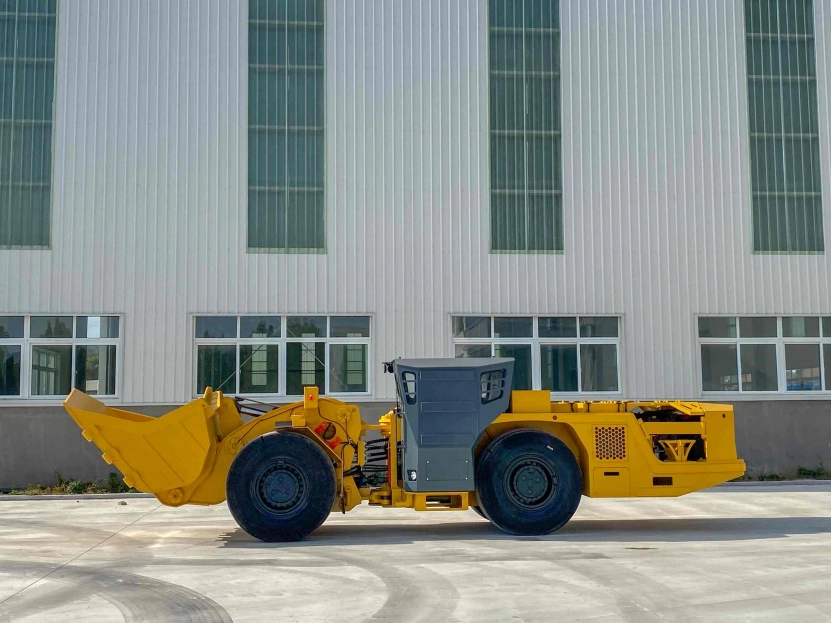
DALI – A Professional Underground Mining Equipment Supplier from China
Moving from world brands to local experts shows how firms like DALI boost rivalry. They use new ideas fit for home needs.
Company Overview
Qixia Dali Mining Machinery Co., Ltd began in 1998. The firm mainly handles design, growth, making, setup, and training for underground mine gear and ore handling tools. With more than two decades of know-how, DALI turned into a skilled supplier. It serves home Chinese mines and world customers in South America, Africa, and Southeast Asia.
Product Range and Capabilities
DALI offers a full range of underground vehicles, including scooptrams (LHDs), mine trucks, and utility vehicles. Our underground equipment is widely used in mines across the globe. Their compact yet powerful design ensures smooth operation even in tunnels with limited space. The Diesel LHD WJ-3 model features a compact and lightweight design, making it ideal for narrow vein mining. It helps reduce dilution, improves flexibility, and enhances operator safety in narrow vein operations.
| Specification | Diesel LHD WJ-3 |
| Payload | 7000 kg |
| Standard Bucket | 3 m3 |
| Engine | Deutz BF6M1013EC |
| Power | 165 kW / 2300 rpm |
| Max Speed | 18.4 km/h |
| Climbing Ability | 20° |
| Steering Angle | 40° articulated |
The WJ-3 stresses both work and green care. It uses its Germany Deutz engine with air-cooling and turbocharging. Plus, a Canada ECS catalytic purifier with silencer cuts noise and waste underground.
Technological Strengths and Customization Options
DALI adds smart hydraulic systems for even bucket handling. It pairs with good power setups that match pull with fuel save. Worker cabins fit the body well. They cut tiredness in long work times—a small but key bit underground. There, ease boosts output.
The firm’s bend lets it go past standard models. It can adjust loader sizes or power setups based on exact mine plans or local rules—a plus for customers with odd ground setups.
Trends Shaping the Future of Underground LHD Manufacturing
Tech keeps changing what can happen below ground. Self-run path software now lets loaders map tunnels on the fly. They dodge blocks without people. Half-self modes allow workers to handle many units from top rooms—a big step for safety in deep mines. Auto also boosts data gather: sensors watch wear ways. This sets fix plans ahead of breaks—a change from fix-after trouble to steady betterment.
Choosing the Right Manufacturer for Your Mining Operation
With many choices out there, picking a good match needs mixing tech wants with future plans.
Matching Equipment Specifications with Site Requirements
Each mine varies—ore toughness picks bucket type; tunnel height sets loader size; air flow hold sways engine choice (diesel vs electric). Doing a good check before buy makes sure fit between machine skill and site limits.
Evaluating Long-Term Value Beyond Initial Cost
Start prices count, sure. But full own cost—like fuel save, parts get, training help—sets true worth over years. Gear built to last might cost more at first. Yet it gives better return through less stop time.
Partnering with Reliable Suppliers Like DALI for Sustainable Growth
Teaming with skilled suppliers like DALI gives not just tested hardware. It also brings full EPCM plans. These mix process plants with vehicle groups under one lead system. Their mix of engineer skill and quick after-sales care backs steady growth in all project sizes world-wide.
FAQs
Q1: What does an underground LHD do?
It loads blasted ore from stopes or drifts, hauls it short distances within the mine tunnels, then dumps it into trucks or ore passes for further transport.
Q2: Why choose a diesel vs electric LHD?
Diesel models offer higher mobility where ventilation is sufficient; electric versions suit deeper mines needing reduced emissions.
Q3: How important is after-sales support when buying an LHD?
Critical—it ensures spare parts availability and timely repairs that keep production running smoothly without costly delays.
Q4: What makes DALI’s WJ-3 model stand out?
Its compact frame fits narrow veins while offering strong breakout force (103?kN) plus remote-control capability enhancing safety during operation.
Q5: Are automated LHDs replacing manual ones?
Not entirely yet—but automation adoption is accelerating as mines aim for safer workplaces with improved efficiency metrics per shift hour logged.
About Us
Qixia Dali Mining Machinery Co., Ltd was established in 1998, located in Yantai City.
The company is mainly engaged in the design, development, production, installation and training of underground mine equipment and ore processing equipment, spare parts supply and sales.
More


Contact Us
- Xinbang Rd, Private Economy Park, Qixia, Shandong Province, China
- +86 173 5350 8179
- ytdali@ytdali.com
 +86 13553073459
+86 13553073459
+86 13553073459


