Common Questions About Diesel LHD WJ-3 in Mines
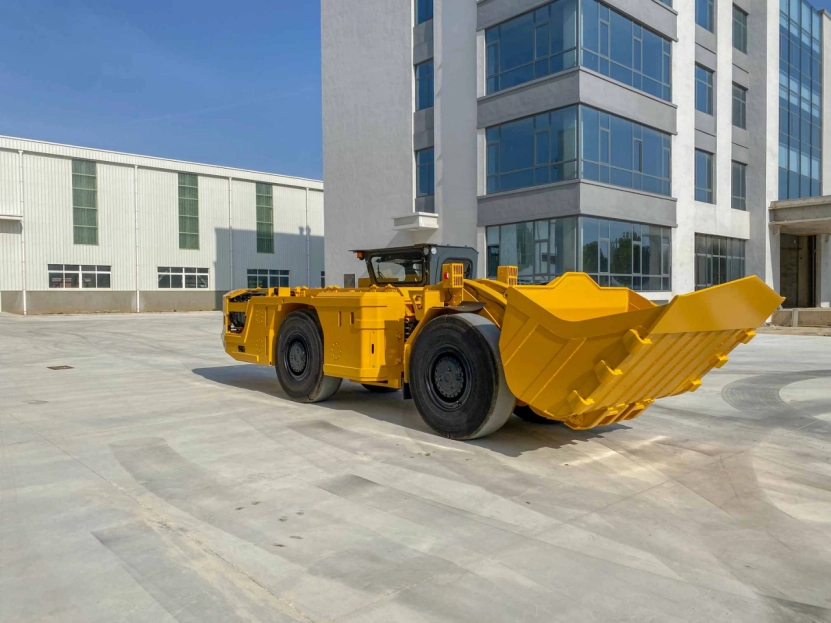
Before choosing an underground loader, most mining operators want to know how the Diesel LHD WJ?3 performs in real conditions. The short answer: it’s built for strength, safety, and adaptability. Designed for underground use, it combines high tramming capacity with reliable diesel power to handle steep grades and heavy loads efficiently.
Introduction to Diesel LHD WJ?3
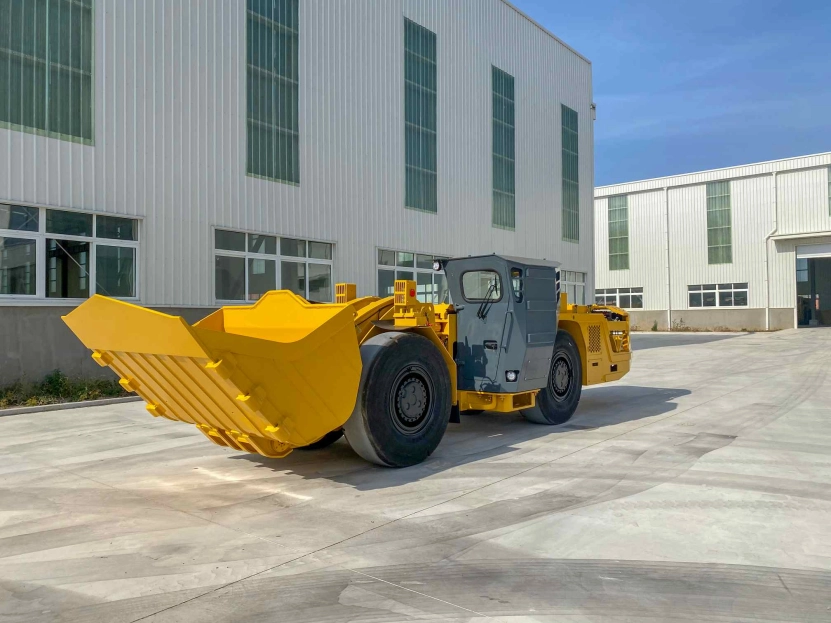
DLWJ?3 is a 7 ton Load?Haul?Dump (LHD) developed specially for underground use for the most diverse application, including development work, mining and tunneling construction. This model is part of the essential material handling equipment that keeps underground operations moving efficiently.
Loaders like this one transfer ore from blasting sites to haulage systems, reducing downtime between cycles. In deep mines where space is tight and air quality matters, a compact diesel loader with strong output becomes indispensable.
Material handling equipment defines productivity below ground. Without efficient loaders like the WJ?3, ore transport slows down, ventilation demands increase, and operational costs rise. These machines bridge the gap between extraction and transport — every second saved in loading translates into higher daily output.
Technical Specifications of Diesel LHD WJ?3
Climbing Ability
The WJ?3’s climbing performance is one of its standout traits. According to test data:
Vehicle Grade Performance—Loaded: Percent Grade 1st Gear 4.7?km/h at 0%, 4.4?km/h at 10%, and 3.7?km/h at 25%. This means it can maintain traction even on steep ramps typical in deep-level mines.
Factors influencing its climbing include torque output from the VOLVO TAD850VE engine and traction from its KESSLER D91 axles with limited slip differentials. Proper tire pressure and surface condition also play a role in maintaining stability during uphill hauls.
Load Capacity
Tramming capacity 7000?kg makes it suitable for mid-scale operations where speed and payload balance matter most. The standard bucket holds 3.0?m3 (4?yd3), giving it an excellent payload-to-weight ratio within its class.
| Specification | Value |
| Tramming Capacity | 7000?kg |
| Standard Bucket | 3.0?m3 |
| Operation Weight | 17,600?kg |
| Maximum Breakout Force | 131?kN |
Compared with smaller units like the WJ?1 or electric versions in similar ranges, the WJ?3 offers better breakout force and flexibility without sacrificing maneuverability.
Common Questions About Diesel LHD WJ?3
What Are the Key Features of the Diesel LHD WJ?3?
Operators often highlight these features:
-
Best payload to own weight ratio in its class.
-
ROPS/FOPS certified safety canopy.
-
Easy maintenance access due to an independent cab design.
-
Spring seats with safety belts for operator comfort.
These details make daily operation smoother — small touches that matter when shifts run long underground.
How Does the Diesel Engine Perform in Mining Conditions?
| Engine Model | VOLVO TAD850VE |
| Power | ?kW?@?2200?rpm |
| Number of cylinders | In-line?6 |
| Combustion principle | Direct injection, four stroke |
| Emission | EU?III, Tier?3 |
This engine performs reliably across temperature ranges from ?15°C to +45°C and altitudes up to +3200?m without power loss when ambient temperature stays below 25°C. Its catalytic purifier helps maintain cleaner exhaust levels — a crucial factor in enclosed environments.
What Maintenance is Required for Optimal Performance?
Routine maintenance includes hydraulic oil checks (tank capacity 230?L), brake inspection on both axles since service brakes are spring applied, hydraulically operated multidisc wet brakes on all wheels, and filter replacement at scheduled intervals. Keeping joints greased and monitoring steering articulation ensures longevity.
Comparison with Other Mining Machinery Parts
How Does the WJ?3 Compare to Electric Models?
Diesel versus electric loaders remains a hot topic in mining circles. Electric models reduce emissions but depend heavily on charging infrastructure that’s not always feasible underground. The diesel WJ?3 offers independence — refuel anywhere — plus consistent torque delivery without power dips from battery discharge.
What Makes the WJ?3 a Preferred Choice Over Other Loaders?
Its combination of maximum traction 170?kN, robust frame construction, and simplified service layout makes it appealing for operators who value uptime over experimental tech shifts. Dali’s engineering approach emphasizes practicality; as an LHD manufacturer with years of field experience, they design machines that balance innovation with proven reliability.
Addressing Operational Challenges with Diesel LHD WJ?3
How Does It Handle Difficult Terrain?
Underground terrain is rarely smooth — steep grades, wet surfaces, tight corners are common obstacles. The WJ?3 uses center-point articulation steering with double acting cylinders (2 pcs ?100 mm) for tight maneuvering even in narrow drifts. Its oscillating rear axle ±8° keeps all wheels grounded for better stability when roads get uneven.
What Safety Features Are Included?
Safety isn’t just compliance; it’s design philosophy here:
-
A travel switch is installed at the door of the cab. Once the door of the cab is opened, the vehicle will be locked and cannot drive.
-
Fire extinguisher (8?kg ×?1) mounted inside.
-
Exhaust insulation protection reduces burn risk.
Optional add-ons like auto fire suppression or remote control further enhance protection depending on site policy.
Final Considerations for Potential Buyers
What Should Buyers Know Before Investing in a Diesel LHD WJ?3?
Buyers should weigh ventilation capacity against diesel usage — though modern engines meet Tier?III standards, airflow management remains key underground. Assess spare parts availability; Evaluate bucket size options based on ore density (2.3–3.5?m3 depending on material density) to match production goals.
For teams seeking durable material handling equipment that balances performance and maintainability, this model fits well into medium-to-large mine fleets where reliability under pressure counts more than cutting-edge experimentation.
About Us
Qixia Dali Mining Machinery Co., Ltd was established in 1998, located in Yantai City.
The company is mainly engaged in the design, development, production, installation and training of underground mine equipment and ore processing equipment, spare parts supply and sales.
More


Contact Us
- Xinbang Rd, Private Economy Park, Qixia, Shandong Province, China
- +86 173 5350 8179
- ytdali@ytdali.com
 +86 13553073459
+86 13553073459
+86 13553073459


